
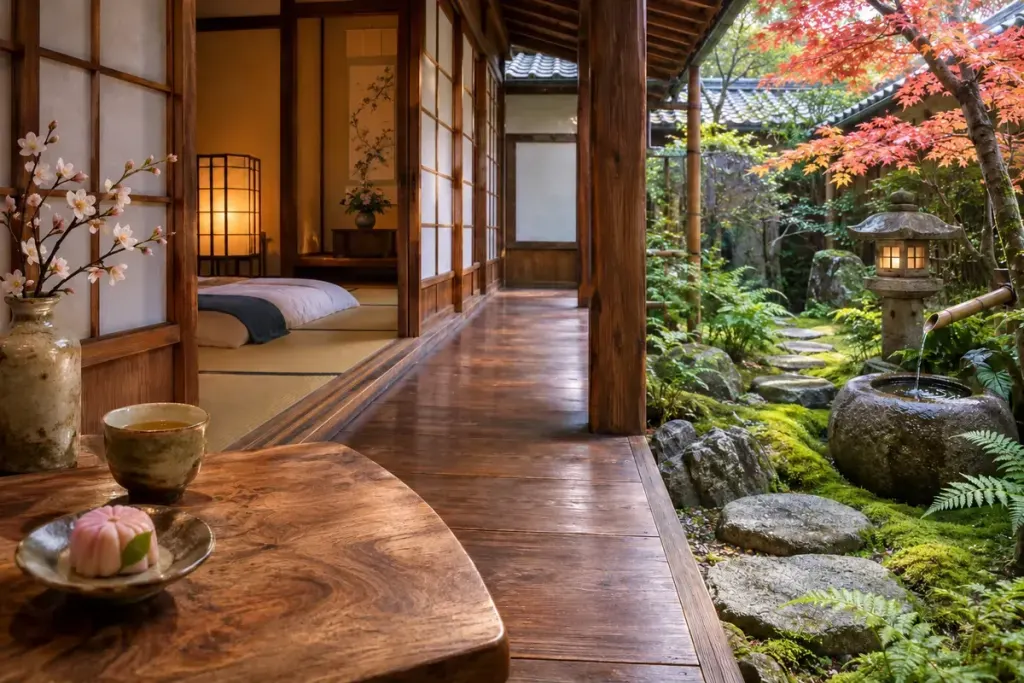
A night in a Japanese temple lodging can be a memorable change from a conventional hotel. It also works best when the day is planned around the temple’s routine, rather than treating the accommodation as a room to enter at any hour.
Shukubo are temple lodgings. The Japan National Tourism Organization’s guide explains their history and the range of facilities visitors may encounter. Rooms, bathroom arrangements, meals, payment methods and activities differ between properties. The name alone does not describe one standard package.
Plan backwards from arrival
Before booking, confirm the latest arrival time and whether dinner has a fixed serving time. Put the final local bus or walking connection into the same plan. A sightseeing stop that looks convenient on a map may leave too little time for check-in and the evening meal.
Ask what participation in morning services or other activities involves. Is attendance optional? Is there an explanation in a language you understand? Are there rules about photography, clothing or areas that visitors may enter? These questions show respect for a working religious setting and help you choose a stay you will enjoy.
Temple meals are often associated with shojin ryori, Buddhist cuisine. Explain allergies and other dietary requirements directly to the lodging rather than assuming that a vegetarian description settles every ingredient question. Confirm what the property can actually accommodate before paying.
Read the room details closely
A traditional room may mean sleeping on a futon on tatami, and some facilities may be shared. Ask about beds, stairs, bathing arrangements and toilet access if these affect your comfort or mobility. A picturesque photograph rarely answers all of those questions.
A useful booking note has five lines: arrival deadline, dinner time, morning schedule, room facilities and payment method. Keep the lodging’s own confirmation with it. This is especially helpful when several reservations on the same trip have different routines.
Leave some unplanned time inside the stay. Arriving just before dinner and rushing away before breakfast can remove much of what made the choice appealing. Equally, there is no need to force a temple stay into an itinerary that cannot accommodate its timings.
The rewarding part is often the rhythm: a quieter evening, a different meal and a morning that begins before the usual sightseeing day. Check the practical details so you can be present for that experience.